 Mattresses
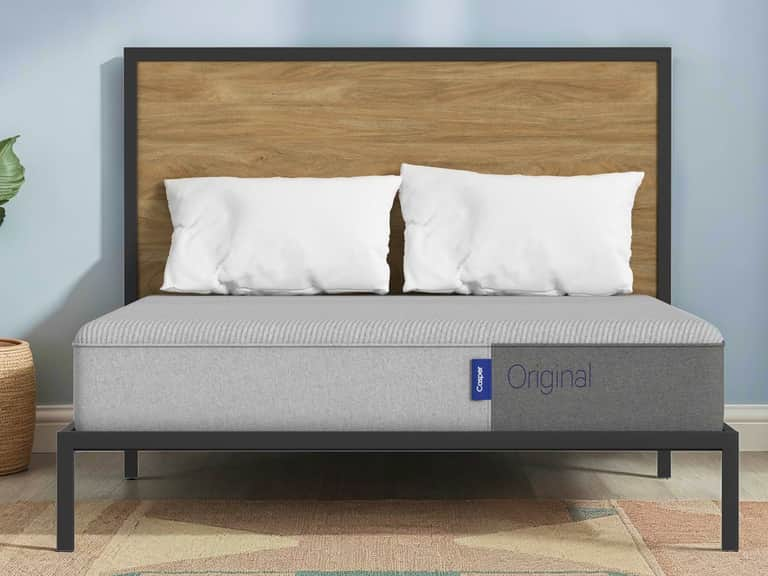
Original Mattress
Sleep cooler and cradled by responsive foam that hugs your curves, with three-zone support for proper spine alignment and balanced comfort from top to bottom.
Foam mattresses use layered foams to provide contouring support, pressure relief, and motion isolation for restful sleep. This category highlights constructions that blend memory foam, polyfoam, and transitional foams to balance comfort and support. Understanding density, resilience, and cooling properties helps evaluate how well a foam mattress aligns with diverse sleeping styles and weight ranges.
Original Mattress features a mixed foam system designed to deliver targeted contouring without excessive hug, enabling stable spinal alignment. Key benefits include even weight distribution, reduced pressure points, and ease of movement. Materials choices often emphasize durability and a balanced feel suitable for side, back, and combination sleepers.
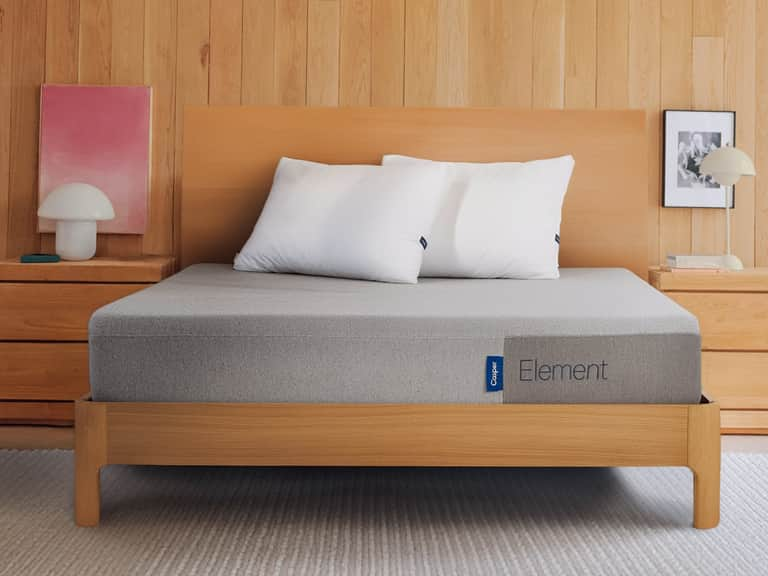
Element Mattress emphasizes adaptive response and temperature regulation through layered foams and cooling technologies. Users may experience enhanced airflow, faster recovery between sleep cycles, and a supportive feel that adapts to body contours. This model commonly integrates open-cell foams and breathable covers to maintain comfort across seasons.
When comparing foam mattresses, consider firmness levels, density, and return-to-support recovery after pressure is released. Higher-density foams tend to improve long-term support and reduce sagging, while lower-density foams may soften over time. Material blends and cover fabrics influence odor control, moisture management, and overall sleep hygiene.
Informed use of foam mattresses involves matching sleeping position, body weight, and preferred feel with product specifications such as support cores, top foams, and transition layers. Keywords like bedding, pillows, sheets, organic mattresses, and latex reflect related comfort categories that influence moisture control, durability, and allergen considerations for a healthy sleep environment.
Mattresses
 Mattresses