Bedding guide
Shetland Superb: What to Consider Before Choosing This Luxury Bed
A luxury bed is more than a name stitched onto a label. When you explore the Vispring Shetland Superb, the useful questions are practical ones: what is inside the mattress, what comfort options are available, how will it work with your bed base, and does its feel suit the way you sleep?
A thoughtful look at construction, comfort and personal fit can make a premium-bed decision clearer—and help separate a product’s appealing description from the details that matter night after night.
Start with the bed, not the name
“Shetland Superb” sounds like a precise specification, but a model name alone cannot tell you exactly what you will experience. Mattress designs may be offered in different comfort tensions, sizes or configurations, and specifications can change between markets or over time. Retail listings may also use shortened descriptions that omit details about upholstery, spring arrangement, foundation requirements or available options.
Begin by confirming which version is actually being offered. Ask for the current specification sheet for the exact size and configuration under consideration. Check that the model name, mattress size, comfort choice and any included base are written down together. If the retailer describes a particular material or construction feature, ask where it appears in the mattress and whether it is standard or optional.
This is not needless scrutiny. In a bed built from multiple layers, a change in upholstery, spring unit or foundation can alter the finished feel. The written details also give you a dependable point of comparison if you visit more than one showroom or receive information from different retailers.
Vispring makes beds that may include natural fibres and pocket-spring construction, but do not assume that every feature found in one Vispring model is present in another. For the Shetland Superb specifically, rely on current documentation for that model rather than details borrowed from another product in the range.
Read construction as a system
A mattress works through its layers. The cover is the surface you touch; the upholstery above and around the spring unit shapes cushioning and temperature feel; the support core responds to body weight; and the foundation beneath the mattress helps keep the whole structure level. Each element contributes, but none should be judged in isolation.
When you review the Shetland Superb’s construction, look for clear descriptions of the cover fabric, upholstery materials, spring system and border treatment. Ask whether the springs are pocketed, how they are arranged, and whether the listed spring count applies to the size you are considering. A count without a size or explanation is not very informative: larger mattresses naturally contain more springs than smaller ones, and a number alone does not predict comfort or suitability.
Natural fibres are often discussed in luxury-bed descriptions because different fibres can contribute distinct qualities. Wool, cotton, silk, mohair and horsetail, for example, are not interchangeable ingredients. Their properties depend on fibre type, quantity, preparation and placement in the upholstery. A material list can tell you what is present, but it does not automatically reveal the mattress’s final firmness, heat retention or durability.
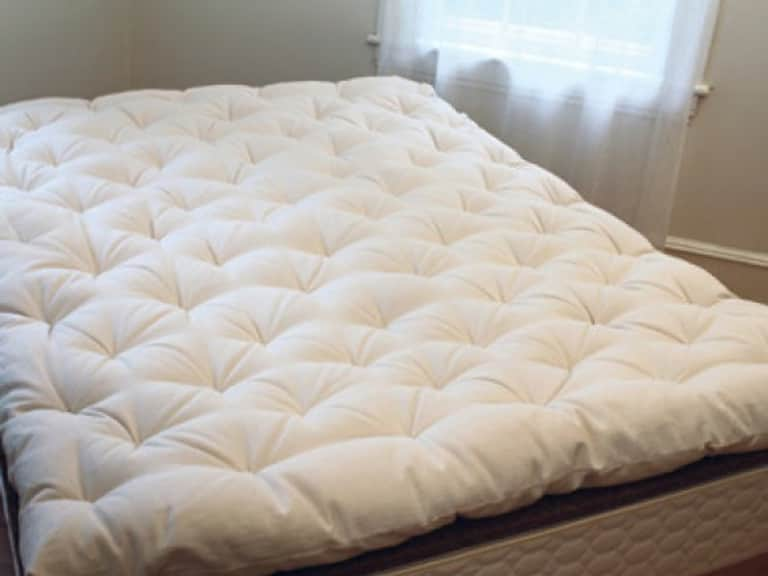
Ask the retailer to explain the construction in ordinary language. Which layer creates the initial cushioning? What provides the deeper support? Is there a hand-tufted or stitched construction, and what function does it serve? Can the mattress be turned or rotated, and what maintenance does the maker recommend? Specific answers are more useful than broad claims such as “exceptional comfort” or “naturally supportive.”
It may also help to distinguish the mattress from the complete bed. Some retailers sell a mattress and foundation as a set; others price them separately. Confirm what is included, how the foundation is built, and whether the manufacturer specifies a particular base. A high-quality mattress placed on an unsuitable or worn foundation may not perform as intended.
Comfort is personal, not a product category
Terms such as soft, medium and firm are convenient labels, not universal measurements. One person’s supportive mattress may feel unyielding to another. Even two beds carrying the same firmness description can feel different because their upholstery, spring construction and surface design differ. Your own body, sleeping posture and preferences complete the equation.
Think about how you sleep most of the night, rather than how you first lie down in a showroom. Side sleepers often pay close attention to pressure around the shoulders and hips. Back sleepers may focus on whether the surface feels balanced through the torso and lower back. Stomach sleepers commonly consider whether their midsection feels adequately supported. These are starting points for observation, not rigid rules or medical prescriptions.
Body weight and body shape can also affect how deeply a sleeper settles into a mattress. A surface that feels pleasantly cushioned to one person may feel too yielding to someone else. If two people share the bed, each should test it. Notice whether movement on one side is disruptive, whether both sleepers can find a comfortable position, and whether the usable surface feels generous enough.
While trying a bed, lie in your usual sleep position for several minutes. Then change position, sit near the edge, and notice how easily you move. Pay attention to pressure, warmth and whether you feel supported rather than simply enveloped. A quick sit on the edge or a few seconds on your back cannot substitute for a proper trial.
Keep the test conditions as consistent as possible when comparing options. Wear similar clothing, use the same pillow if practical, and try each mattress in the same position for a comparable length of time. If one bed has a thick topper or a different pillow arrangement, remember that these can influence your impression. The aim is not to create a laboratory, but to make comparisons less dependent on showroom mood and first impressions.
Make the showroom visit count
Testing in person is valuable, especially for a significant purchase, but a showroom visit has limits. A short trial can reveal immediate comfort and ease of movement; it cannot fully predict how a mattress will feel after weeks of use. Ask about the retailer’s exchange policy, any home trial, and the precise conditions attached to it before you buy.
Policies may differ by retailer, model, country and sale. Check the length of any trial, when the period begins, whether collection or delivery charges apply, whether the mattress must be used with a protector, and what condition it must be in for an exchange. Do not rely on a general statement that a bed is “returnable.” Get the current terms in writing.
During the visit, test more than one comfort option if available. Ask the salesperson to identify exactly which version you are lying on. A display mattress may be an older configuration, a different tension or a different size from the one being quoted. If there is a floor sample, ask whether it accurately represents the current production model.
Also test the height and edge of the complete setup. The mattress and foundation together determine how high the bed sits, which can matter when getting in and out. Consider the room’s dimensions, doorways, stairs and delivery route. A large mattress can be difficult to manoeuvre, and split foundations or special access arrangements may need to be planned in advance.
Match the mattress to its foundation
A mattress does not float above the rules of the bed frame. The foundation or platform affects support, stability and ventilation. Before ordering, check the manufacturer’s current requirements for slats, platform bases, divans or other support systems. Confirm the allowed spacing between slats, whether a centre support is required for larger sizes, and whether the bed frame is rated for the mattress and sleepers’ combined weight.
Do not assume that “box spring” is the right foundation simply because the phrase is familiar. In contemporary bedding, foundations vary considerably: some are flexible, some are rigid, and some are designed for a particular mattress type. An unsuitable base can affect comfort, may conflict with warranty conditions, or may shorten the useful life of the sleep system. The maker’s instructions and the retailer’s written guidance should settle the question.
Check the warranty as well as the comfort guarantee. Look for its duration, coverage, exclusions and required care. Understand how the warranty treats visible impressions, frame or foundation problems, and stains. A warranty is a remedy for specified defects, not a promise that every sleeper will like the feel or that normal ageing will never occur.
Ask how the mattress should be rotated or turned, if at all. Some models are designed to be rotated but not flipped; others have different care instructions. Follow the documentation for the exact mattress rather than a generic rule. Use an appropriately sized protector if recommended, and check that it does not interfere with the surface feel or care requirements.
Materials, warmth and everyday upkeep
Temperature comfort is influenced by more than the mattress. Room temperature, sleepwear, sheets, blankets, humidity and individual physiology all contribute. Fibre descriptions can help you understand the design, but they cannot guarantee that a bed will feel cool or warm to every sleeper. If you tend to overheat, ask how the cover and upholstery are intended to manage moisture and airflow, and test the mattress under realistic bedding where possible.
Ask what cleaning methods are allowed. Many mattresses should not be saturated or treated with household cleaners, and some warranties may be affected by improper care. Find out how to handle spills, whether the cover is removable, and whether professional cleaning is recommended. If the answer is unclear, request written care instructions before purchase.
Natural materials may appeal to shoppers seeking particular fibre choices, but “natural” does not mean universally suitable, maintenance-free or free of every substance a person might want to avoid. If you have a known allergy, sensitivity or material requirement, request precise information about the components and finishes. When necessary, consult a qualified health professional rather than relying on marketing language to address a medical concern.
Longevity is another point to discuss carefully. A carefully made mattress may be intended for extended use, yet no construction can guarantee a fixed lifespan for every household. Usage, body weight, care, foundation quality and the sleeper’s changing needs all matter. Ask about expected maintenance and service options, but treat any longevity claim as a general estimate unless the manufacturer provides defined terms.
Compare like with like—and distinguish the models
Luxury-bed shopping can involve unfamiliar material names and elaborate specifications. A useful comparison table keeps the decision grounded. Record the exact model, size, comfort choice, spring details, upholstery, foundation, price, delivery arrangements, trial terms and warranty. Note which facts come from written manufacturer information and which are retailer explanations.
Comparisons are meaningful only when you know what is being compared. A different size may have a different spring count; a mattress-only quote is not equivalent to a mattress-and-foundation set; and two models from the same collection can have distinct internal constructions. Avoid treating a shared word in the name as evidence that two beds are identical.
For example, the Vispring Sublime Superb is a separate product, not another name for the Shetland Superb. Its published description lists a two-layer hand-nested calico pocket construction and an upholstery blend that includes South American horsetail and Real Shetland Wool. Those details can illustrate the kinds of specifications shoppers may encounter in the broader Superb range, but they should not be attributed to the Shetland Superb unless its current documentation confirms them.
This distinction matters particularly when retailers use similar names or when search results combine products. Before making a decision, match every claim to the exact model and configuration on your quote. If a comparison page refers to a different Vispring bed, treat it as background—not as a substitute for the Shetland Superb’s own specification sheet.
A practical checklist before you choose
Use these questions to bring a showroom conversation back to the details you can verify:
- Is the product definitely the Vispring Shetland Superb, and is the exact configuration named on the quote?
- What comfort options are currently available in my size, and which one did I test?
- What are the cover, upholstery and spring specifications for this exact model?
- Which foundation is recommended, and what support requirements apply to my bed frame?
- Is the foundation included in the quoted price, or is it a separate purchase?
- What are the current delivery, access, setup and old-bed removal arrangements?
- What does the warranty cover, and what care or foundation conditions must I meet?
- Is there a home trial or exchange policy, and what fees, exclusions or conditions apply?
- How should the mattress be rotated, protected, cleaned and maintained?
- Can I take home the specification sheet and all relevant terms before deciding?
These questions are not a test of the salesperson. They help establish a shared, written understanding of what is being purchased. If an answer is not available, ask whether the retailer can confirm it with the manufacturer before you commit.
When a luxury bed is the right choice
A higher price can reflect materials, skilled construction, brand positioning, distribution and service, but it does not prove that a mattress will suit your body better. The meaningful question is whether the specific design offers a combination of comfort, support, practical fit and care terms that works for you—and whether that combination makes sense within your budget.
Consider the total cost of the sleep system: mattress, foundation, protector, delivery and any required frame changes. Factor in the room you have, who will use the bed, whether the setup can be moved, and how long you expect to keep it. A premium bed may be a considered long-term purchase, but it should still be judged against your needs rather than the prestige of its label.
There is no single ideal firmness or material for every sleeper. If you have persistent pain, numbness or other troubling symptoms, a mattress purchase is not a substitute for appropriate medical advice. A bed may influence comfort, but it cannot diagnose or treat an underlying condition.
The decision, made deliberately
The Vispring Shetland Superb deserves the same careful approach as any substantial bedding purchase: verify the current construction, explore the available comfort options, test the exact configuration, and check the foundation and policies before ordering. Give your own sleep habits more weight than a model name or a confident adjective.
Think of the process as a small experiment. Change one factor at a time, keep notes, and separate what you can observe—pressure, warmth, movement and ease of getting up—from what a description promises. Then confirm the facts with the retailer and manufacturer. A considered choice may not make the mystery of sleep disappear, but it can make the bed beneath it a much less mysterious decision.